


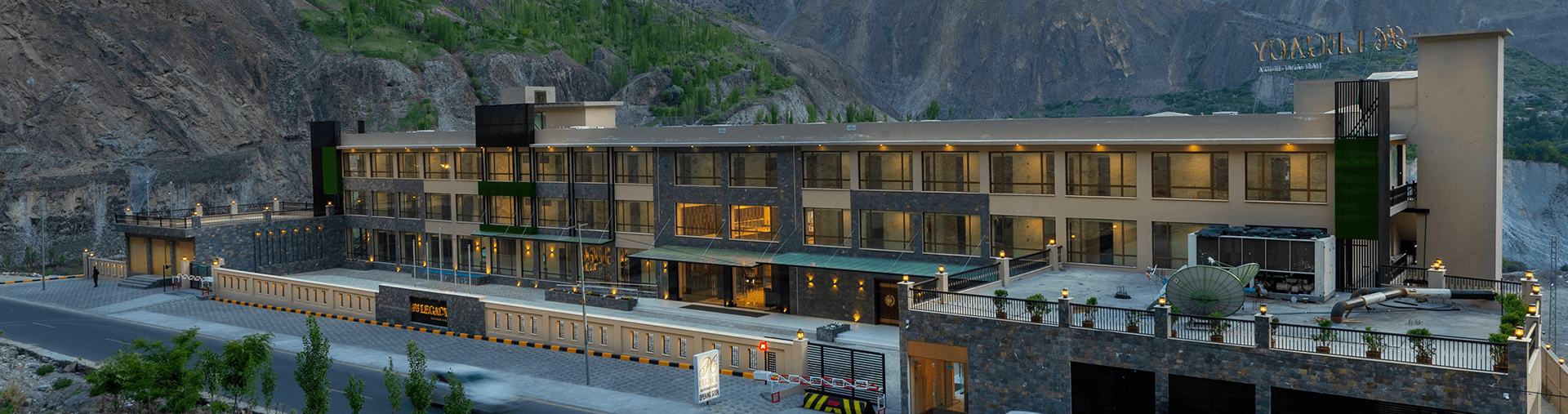
Summer transforms the Hunza Valley into a paradise of lush apricot orchards, crystal-clear rivers, and snow-capped peaks under endless blue skies. If you are dreaming of a mountain getaway that combines adventure, culture, and natural beauty, this Summer Travel Guide to Hunza provides everything you need to plan an unforgettable journey.
From understanding Hunza weather to navigating Islamabad to Hunza Valley, this comprehensive Hunza trip guide covers logistics, safety, activities, and the best month to visit Hunza. Whether you are a first-time traveler or a seasoned explorer, you will find actionable insights to make your summer trip seamless and spectacular.
Summer is the most popular season to visit Hunza, and for good reason. The valley comes alive with vibrant greenery, blooming flowers, and warm, pleasant days. Roads are fully accessible, trekking trails are open, and all tourist facilities operate at full capacity.
During summer, you can experience:
The long daylight hours give you more time to explore, making summer the ideal season for an immersive Hunza experience.
One of the biggest advantages of visiting Hunza in summer is the comfortable climate. Hunza weather during June, July, and August typically features:
However, the weather in mountain regions can change quickly. Always pack layers, including a light jacket for evenings and early mornings. Sun protection is essential, as the high altitude intensifies UV exposure.
If you are planning activities like glacier trekking or visiting Khunjerab Pass, expect significantly colder temperatures at higher elevations. Checking local forecasts before heading out ensures you stay prepared.
Reaching Hunza is part of the adventure. The journey from Islamabad to Hunza Valley takes you along the legendary Karakoram Highway, one of the world's most scenic drives.
You have three main options:
By Road (Private Car or Bus)
The drive covers approximately 450 kilometers and takes 12 to 14 hours. Most travelers break the journey with an overnight stop in Gilgit or Naran. The route offers breathtaking views of rivers, gorges, and mountain ranges.
By Air (Islamabad to Gilgit)
Flights from Islamabad to Gilgit take about 1.5 hours. From Gilgit, Hunza is a 2.5-hour drive. Note that flights are weather-dependent and may be delayed or canceled, especially in summer due to cloud cover.
By Tour Operator
Many travelers opt for organized transport through Hunza Valley tourism packages. These often include comfortable vehicles, experienced drivers, and planned rest stops.
Regardless of your choice, start early in the day to maximize daylight driving and enjoy the scenery safely.
While the entire summer season is rewarding, the best month to visit Hunza depends on your priorities:
For a balance of good weather, accessibility, and manageable crowds, mid-June to mid-July is often considered the sweet spot.
Summer unlocks the full range of experiences Hunza has to offer. Here are the top activities to include in your itinerary:
Trekking and Hiking
Popular trails include the Rakaposhi Base Camp trek, Ultar Sar Base Camp, and the walk to Eagle's Nest for panoramic valley views. Guided treks are available for all skill levels.
Lake Adventures
Attabad Lake offers boating, jet skiing, and lakeside relaxation. Borith Lake, a quieter alternative, is perfect for camping and birdwatching.
Cultural Exploration
Visit Baltit Fort and Altit Fort to learn about Hunza's royal history. Explore local villages, interact with artisans, and sample traditional Hunza cuisine.
Photography and Sightseeing
Summer light enhances the valley's colors. Capture the turquoise waters of Attabad Lake, the jagged peaks of Passu Cones, and the golden apricot orchards.
Visit Khunjerab Pass
Drive to the world's highest paved border crossing. Spot Marco Polo sheep
and enjoy the dramatic high-altitude landscape.
For travelers who prefer a structured itinerary, Hunza Valley tourism packages offer convenience and value. These packages typically include:
Packages range from budget-friendly group tours to luxury private experiences. When selecting a package, verify inclusions, read reviews, and confirm the operator's credibility. Customizable options allow you to add activities like trekking, photography workshops, or cultural interactions.
Even if you book a package, maintain flexibility in your schedule. Mountain travel can be unpredictable, and spontaneous detours often lead to the most memorable moments.
A common question among travelers is: Is it safe to travel to Hunza Valley? The answer is a confident yes. Hunza is widely regarded as one of the safest destinations in Pakistan.
Key safety considerations:
Standard travel precautions still apply:
Foreign travelers should check current entry requirements and register with their embassy if recommended. Domestic travelers should carry valid ID. With basic preparation, your trip to Hunza will be both safe and enjoyable.
To make the most of your summer visit, keep these practical tips in mind:
Packing Essentials
Health and Altitude
Hunza sits at a moderate altitude, but some areas exceed 3,000 meters. Stay hydrated, avoid overexertion on your first day, and recognize symptoms of altitude sickness. Most travelers acclimatize without issues.
Connectivity and Cash
Mobile networks and the internet are available in main towns but can be unreliable in remote areas. Download offline maps and important information. Carry sufficient Pakistani Rupees in cash, as ATMs may be limited or out of service.
Respect Local Culture
Hunza is a conservative region. Dress modestly, ask permission before photographing people, and learn a few local phrases. Your respect will be met with warmth and generosity.
While this guide focuses on summer in Hunza, many travelers wonder: What is the best time to visit the northern areas of Pakistan? The answer depends on your interests:
For first-time visitors seeking a balance of weather, activities, and accessibility, summer remains the most versatile choice.
A summer trip to Hunza offers an unparalleled blend of natural beauty, cultural richness, and adventure. With comfortable Hunza weather, open roads, and endless exploration opportunities, the valley welcomes travelers with open arms.
Use this Summer Travel Guide to Hunza to plan your journey from Islamabad to Hunza Valley, choose the best month to visit Hunza, and navigate Hunza Valley tourism packages with confidence. Remember to prioritize safety, respect local traditions, and stay flexible to embrace the magic of the mountains.
Frequently Asked Questions (FAQs)
1. What is the Hunza weather like in summer?
Summer Hunza weather features daytime temperatures between 20°C and 30°C, cool nights, minimal rainfall, and abundant sunshine. Always pack layers for changing conditions at higher elevations.
2. How do I travel from Islamabad to Hunza Valley?
You can drive via the Karakoram Highway (12-14 hours), fly to Gilgit and then drive (2.5 hours), or book a tour. The road journey offers spectacular scenery but requires careful planning.
3. What is the best month to visit Hunza for summer travel?
Mid-June to mid-July offers an ideal balance of pleasant weather, open trails, and manageable crowds. August is warmer but busier due to peak season.
4. Are Hunza Valley tourism packages worth it?
Yes, especially for first-time visitors. Packages simplify logistics, include guided experiences, and often provide better value. Choose reputable
operators and verify inclusions.
5. Is it safe to travel to Hunza Valley?
Yes, Hunza is considered very safe. The region has a strong security presence, low crime rates, and hospitable communities. Follow standard travel precautions for a smooth trip.
6. What should I pack for a summer trip to Hunza?
Pack lightweight clothing for daytime, warm layers for evenings, sturdy footwear, sun protection, and a basic first-aid kit. Include rain gear as mountain weather can change unexpectedly.
7. What is the best time to visit the northern areas of Pakistan?
Summer (June-August) offers the best accessibility and activity options. Spring and autumn provide unique scenery with fewer crowds. Winter suits experienced travelers seeking snow and solitude.
8. Do I need special permits to visit Hunza?
Domestic travelers generally do not need permits for Hunza. Foreign nationals may require a NOC for areas near the border, such as Khunjerab Pass. Check current regulations before traveling.
9. Can I use credit cards in Hunza?
Cash is preferred. While some hotels and larger shops accept cards, ATMs can be unreliable. Carry sufficient Pakistani Rupees for daily expenses.
10. How many days should I spend in Hunza during the summer?
A minimum of 5 to 7 days allows you to explore major attractions, enjoy treks, and experience local culture without rushing. Extend your stay if you plan extensive trekking or visits to remote valleys.